
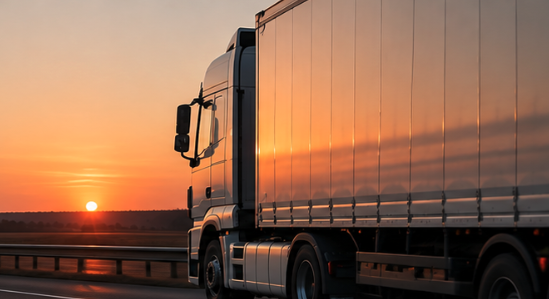
01 / Heavy transport
Keep high-utilisation vehicles moving.
Compact onboard power and rapid fuel replenishment can support long duty cycles where payload, uptime and charging access remain critical.
E2 is developing a pressure-pulse impulse turbine for applications where sustained power, energy density, uptime and infrastructure still matter.
Different machines live different lives. E2 is being developed for applications where sustained power, fast energy replenishment and compact packaging remain difficult to reconcile.
There will not be one universal powertrain. E2 is being built for the part of the market that still needs a lot of power for a long time.
Instead of using combustion pressure to drive pistons, E2 separates pressure generation from rotary power extraction.

E2 is not intended to replace every powertrain. It is being developed for duty cycles where sustained power, compact onboard energy, rapid response and fuel adaptability remain valuable.
Power potential
vs. H₂ ICE benchmark
Rapid spin-up
to ~3,000 rpm
Package volume
vs. H₂ ICE benchmark
Fuel-adaptable architecture
developed with propane today, with hydrogen as the long-term objective
E2 combines rapid response, compact packaging, high power potential and fuel adaptability in one rotary architecture.
Based on current E2 engineering results and benchmark analysis.
Our manifesto sets out the duty-cycle, infrastructure, energy-carrier and power-conversion thesis behind E2.
Read the manifesto →
Compact onboard power and rapid fuel replenishment can support long duty cycles where payload, uptime and charging access remain critical.
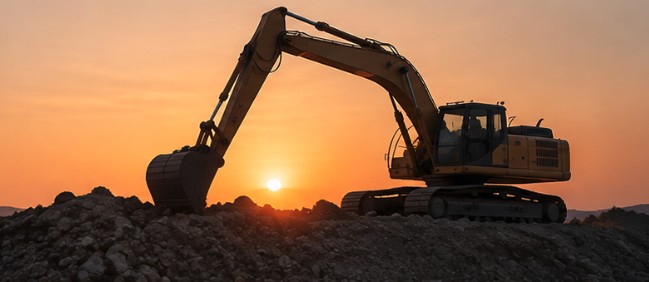
Construction and industrial machines need sustained mechanical power in demanding environments, often far from high-power electrical infrastructure.
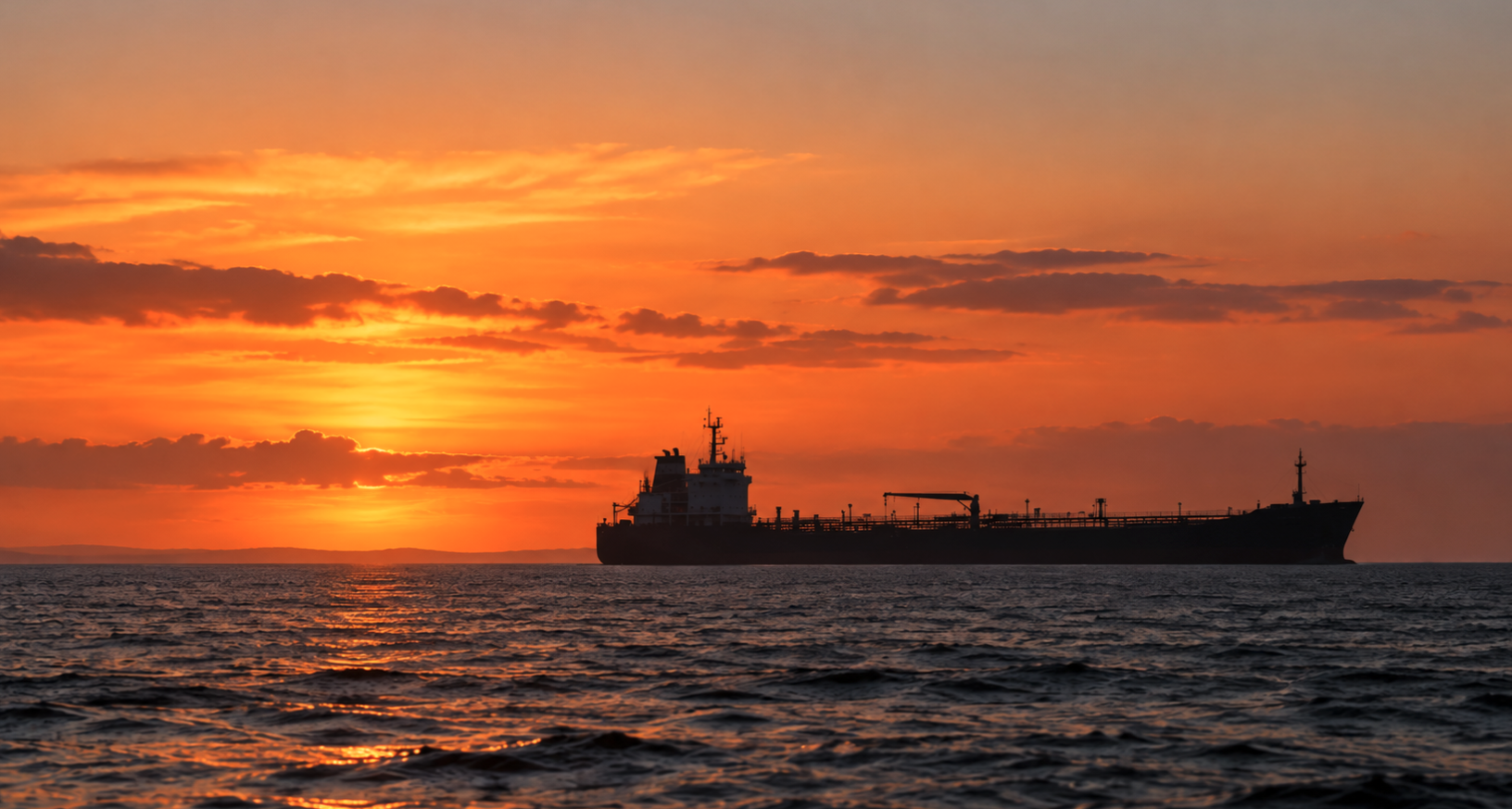
Fuel-based rotary power can preserve range and endurance where vessels must carry their energy supply for extended periods.

A compact fuel-flexible architecture can serve remote, backup and distributed generation where dependable power matters more than grid proximity.